Japanese/Oriental
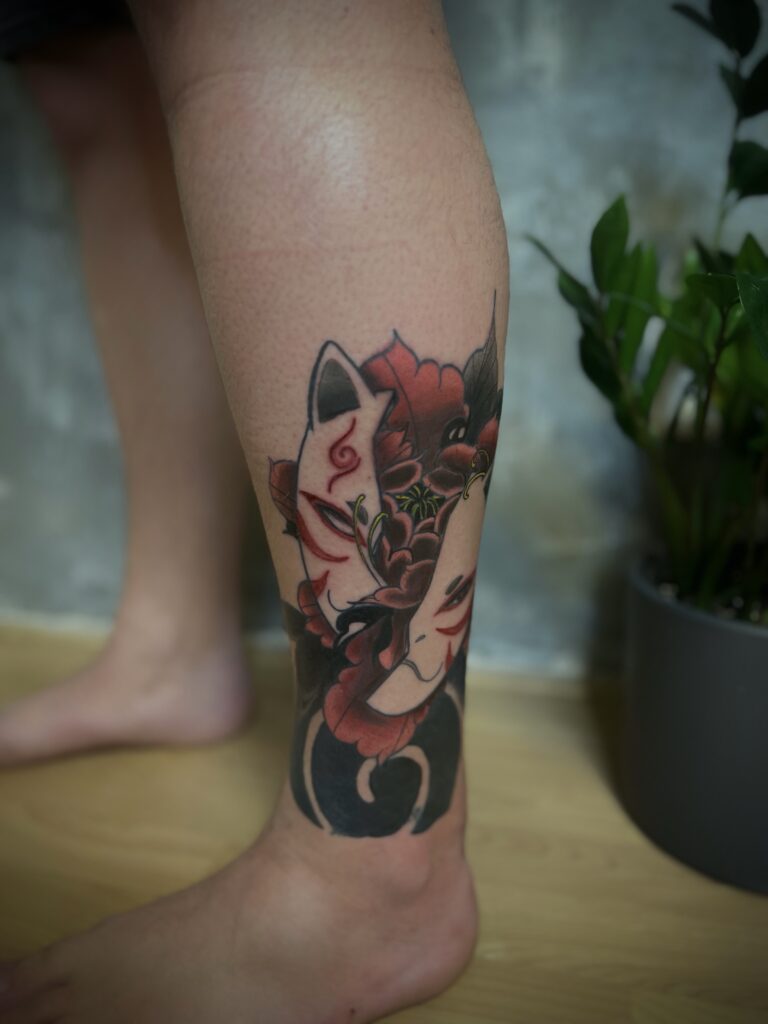
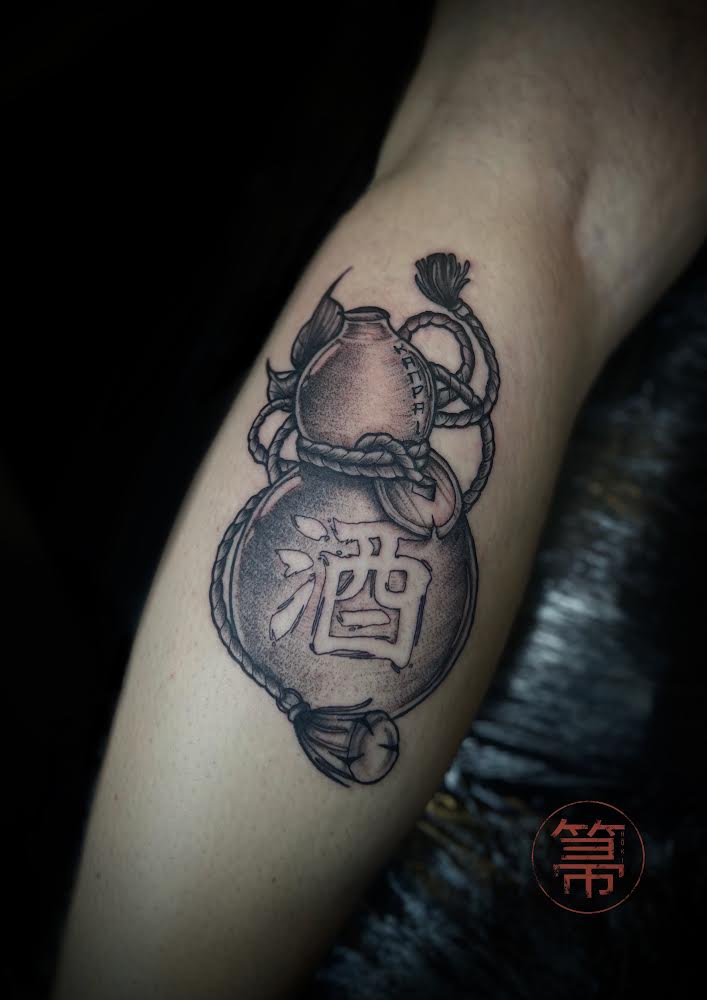
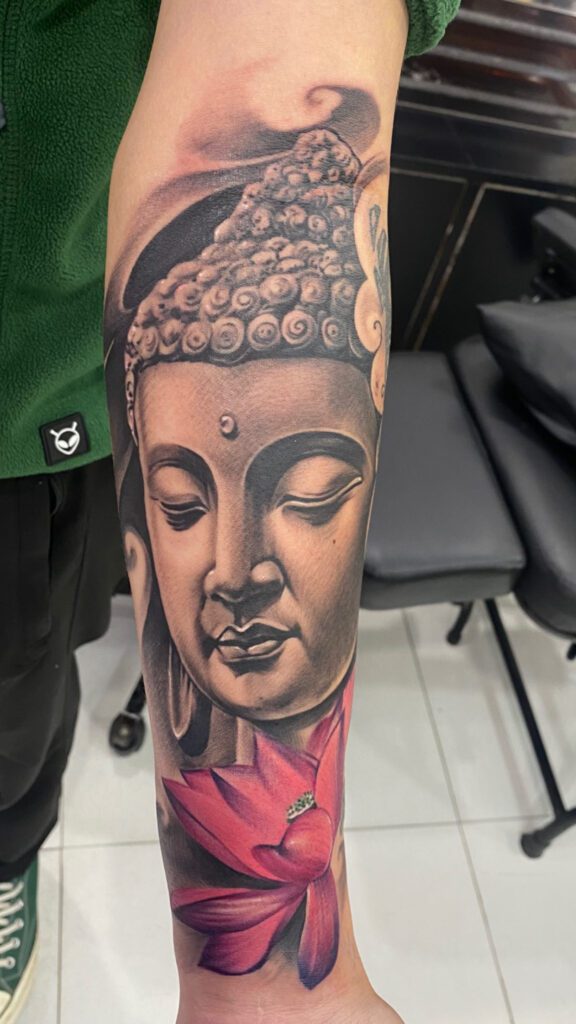
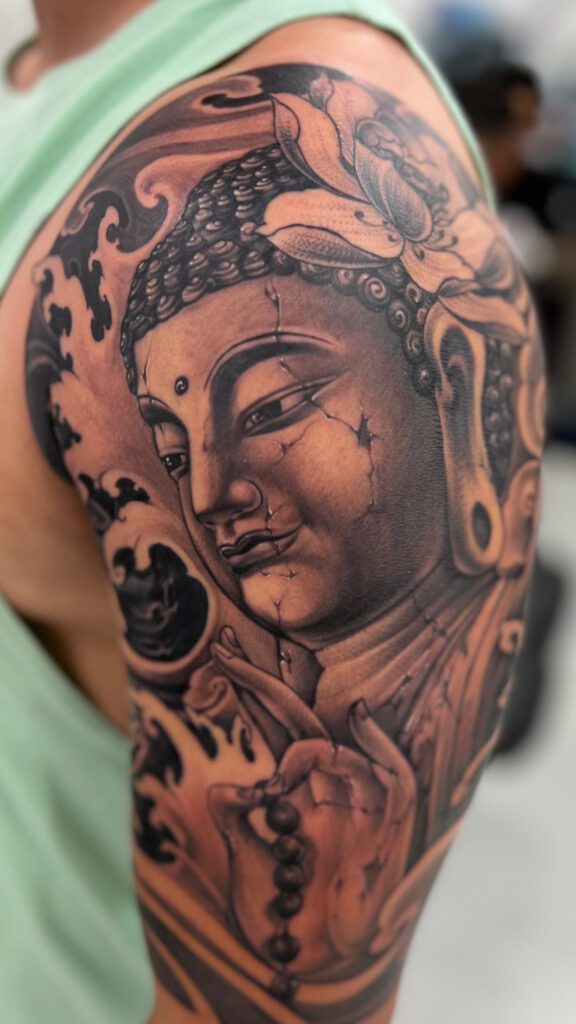
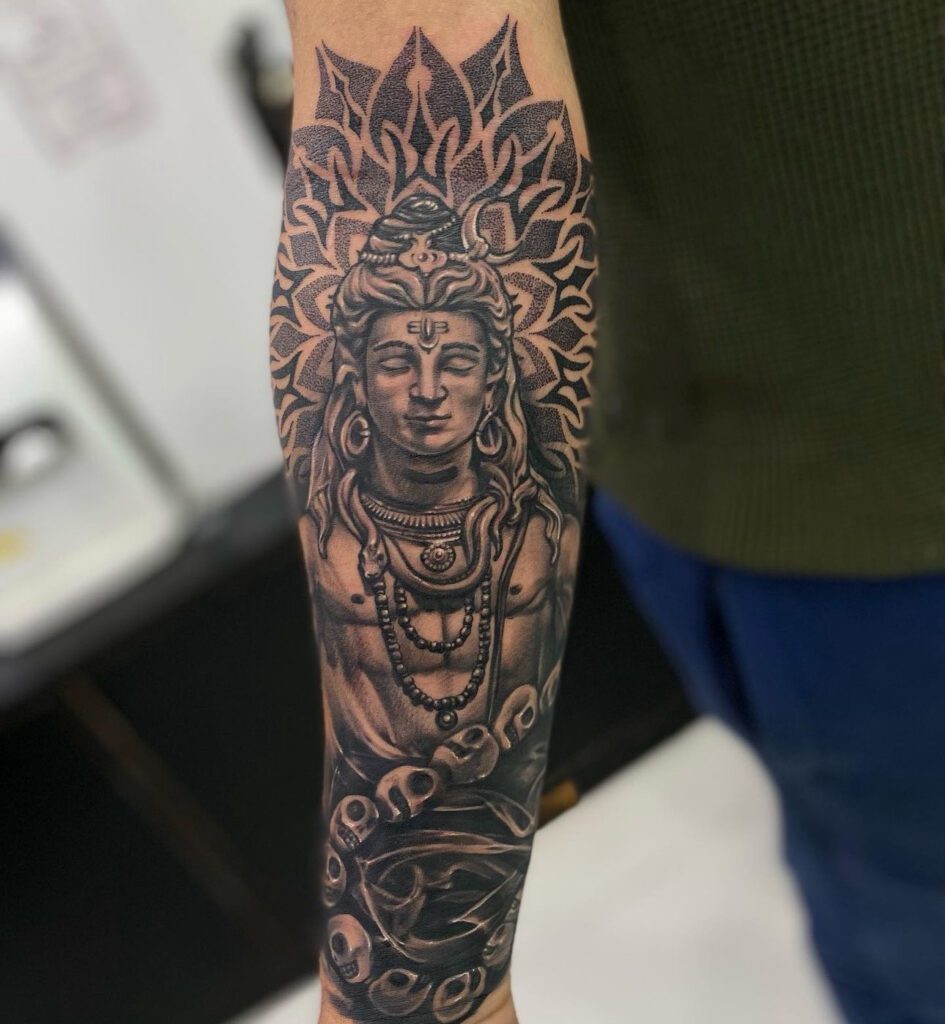
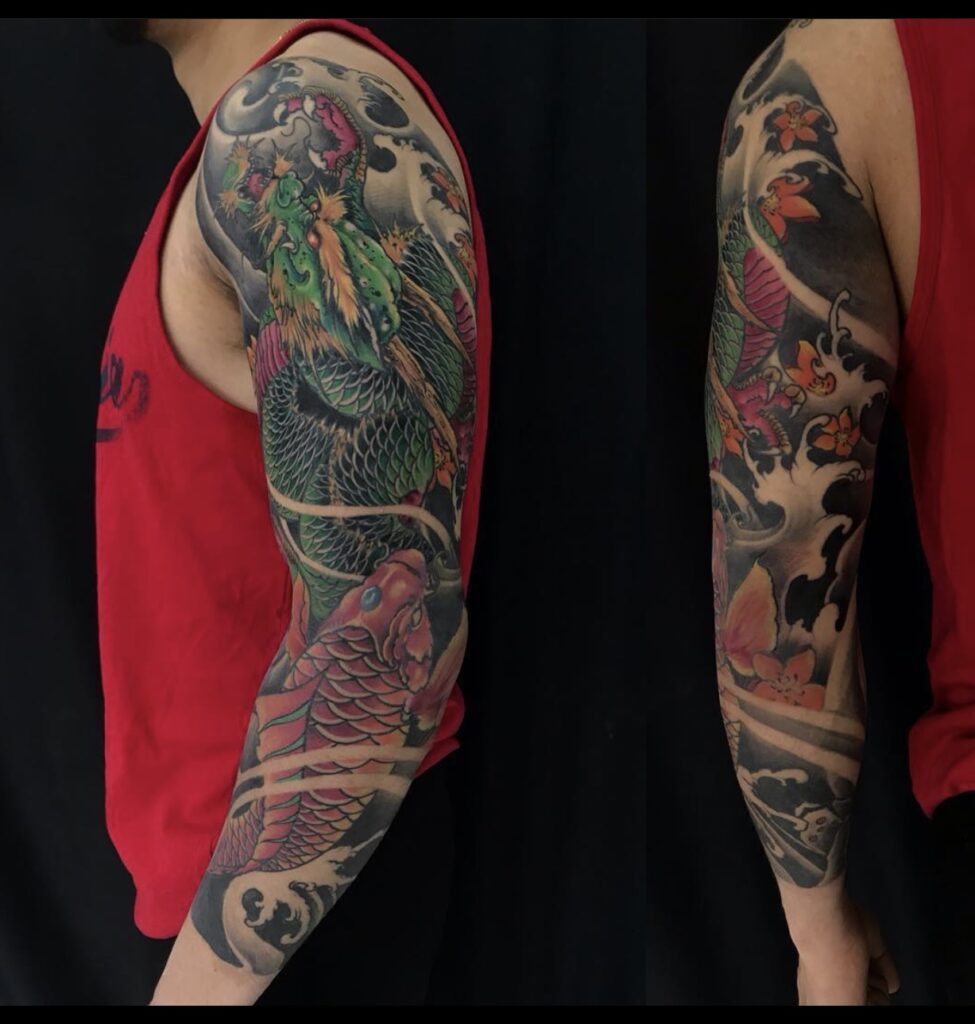
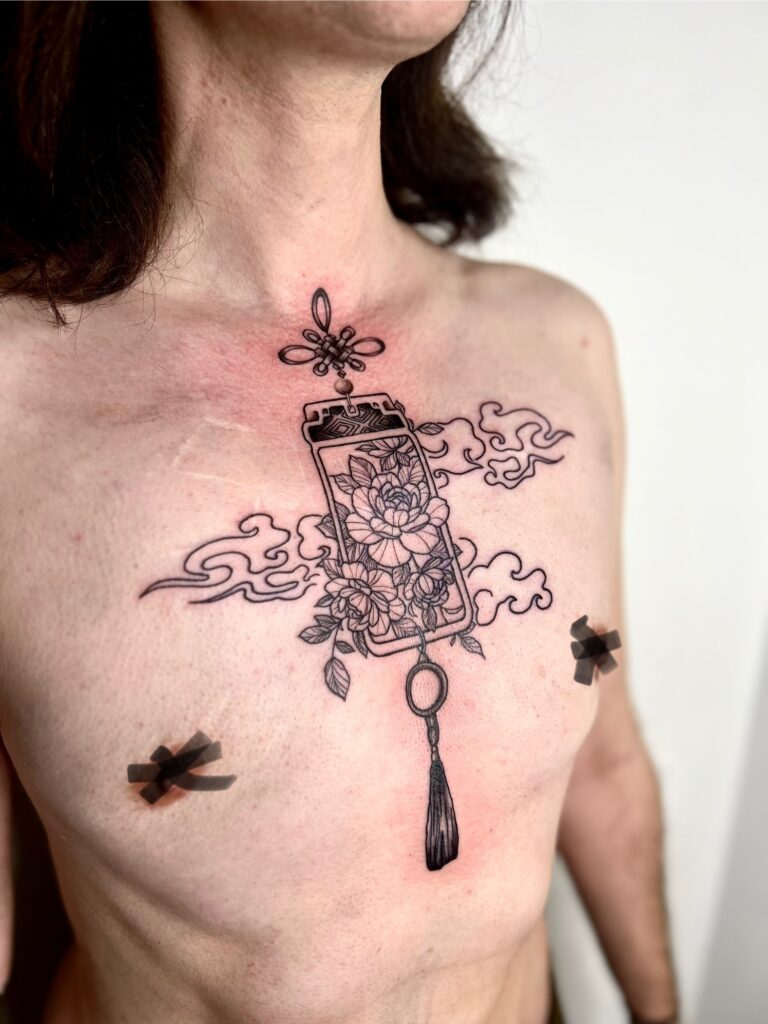
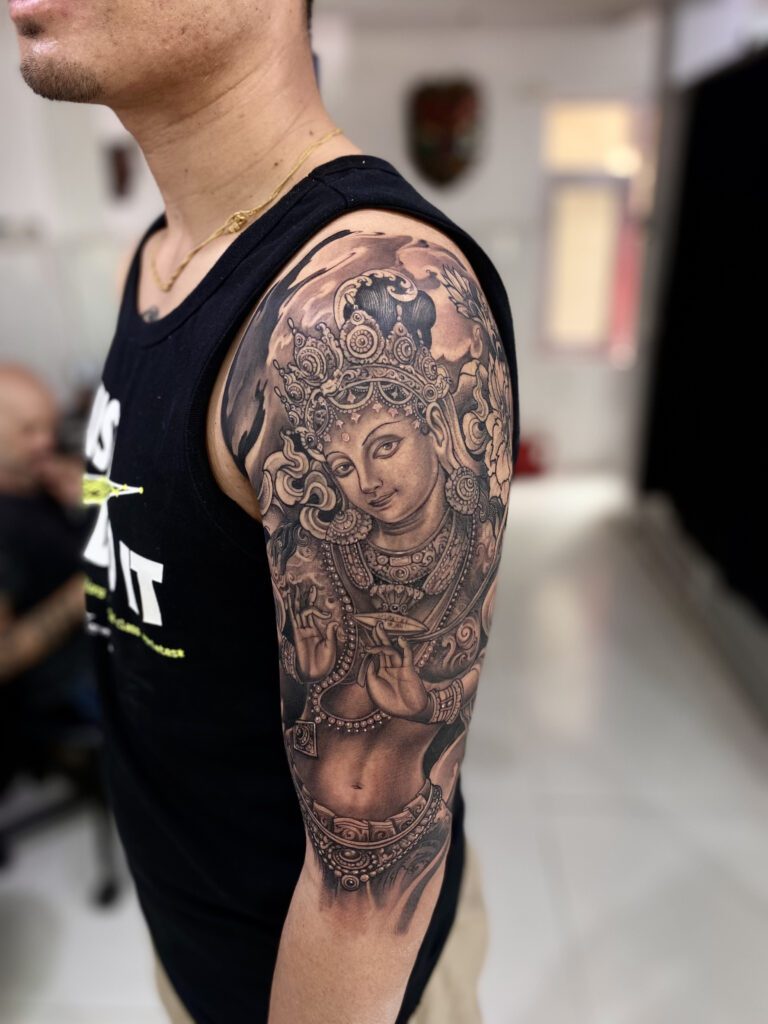
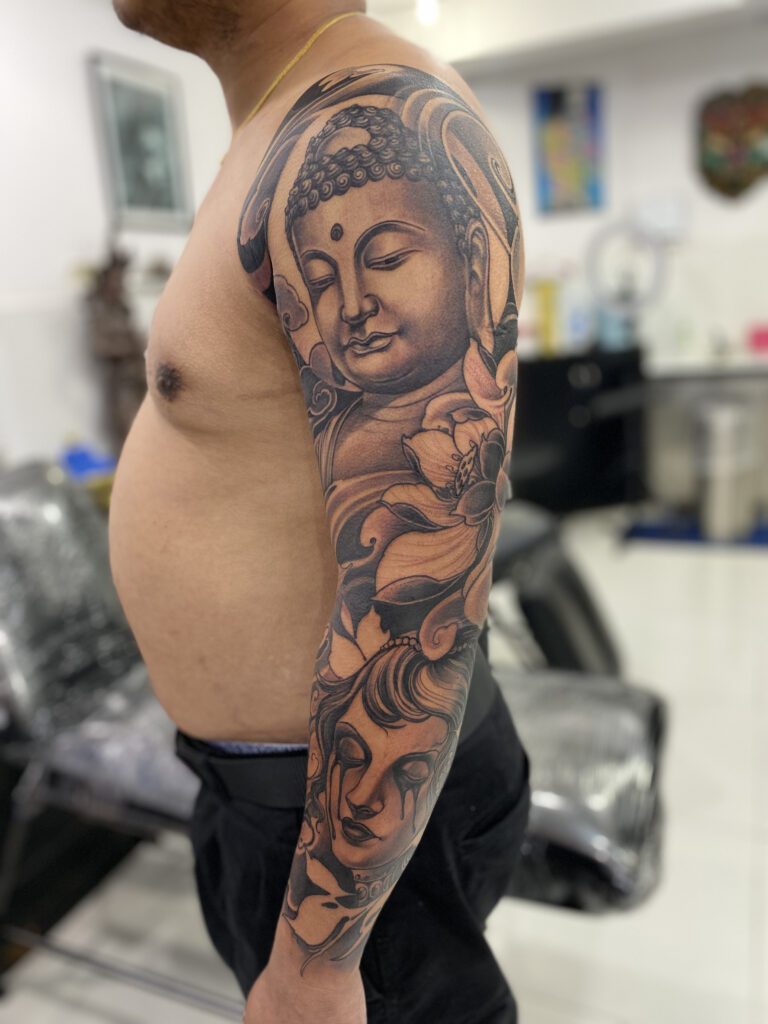
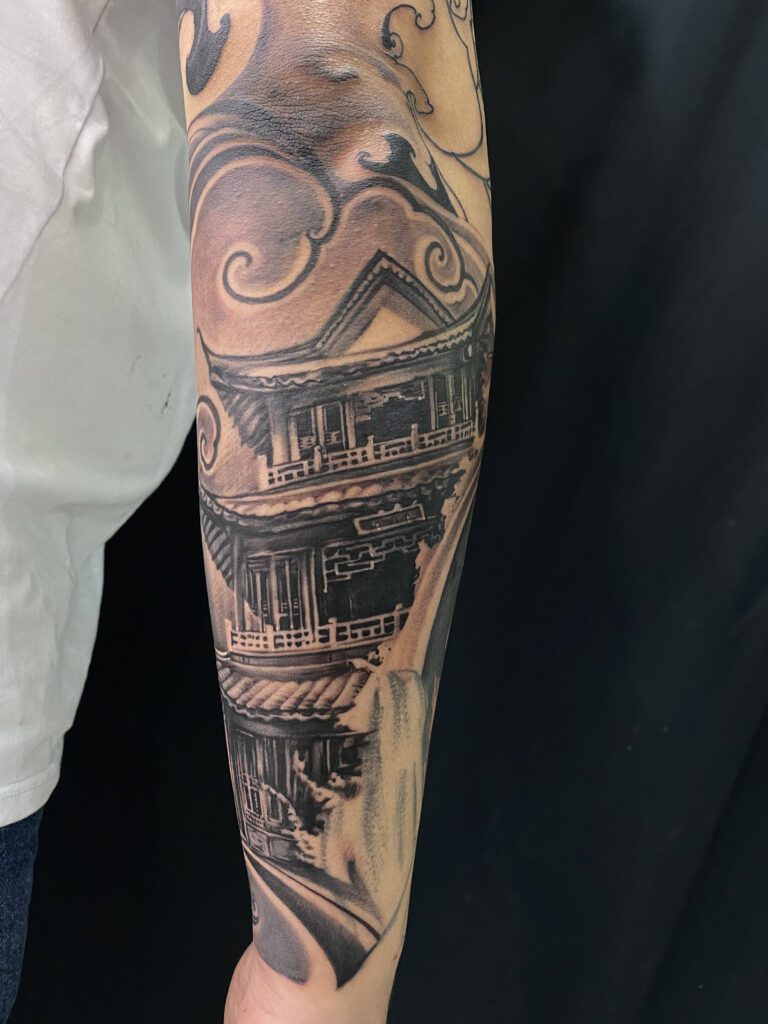
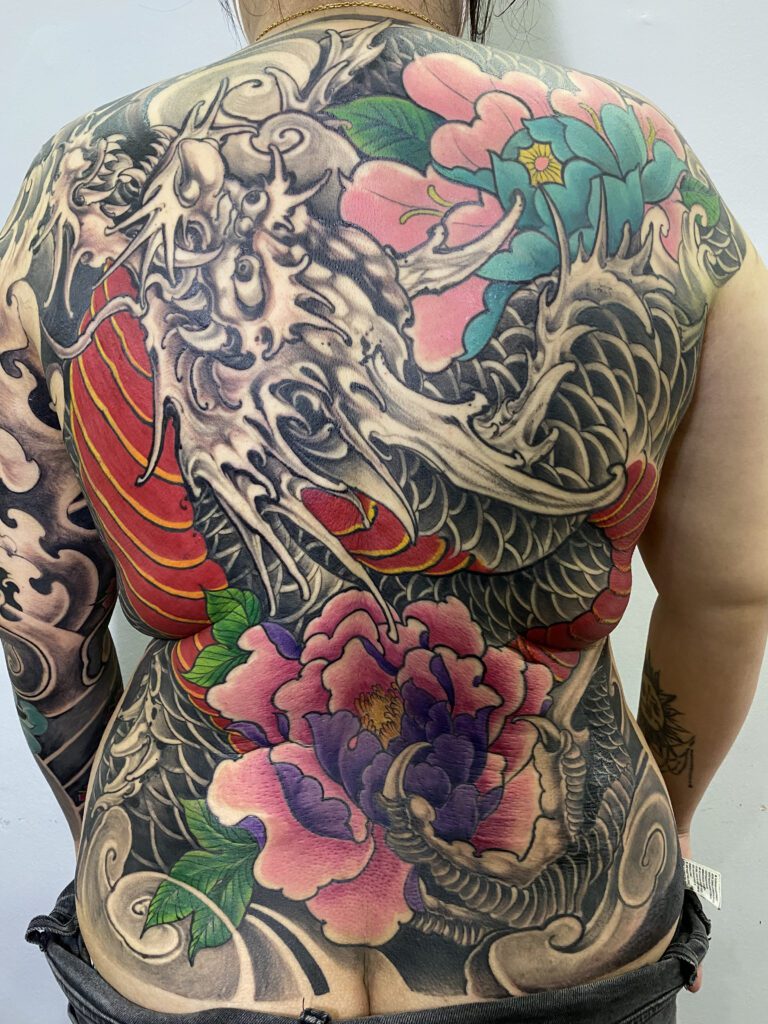
Japanese tattoos, also known as Irezumi, are one of the oldest and most respected tattoo traditions. This style has a long history in Japanese culture and is famous for its large-scale designs, strong symbolism, and detailed craftsmanship. Traditional Japanese tattoos often cover large parts of the body, such as the back, chest, or full sleeves.
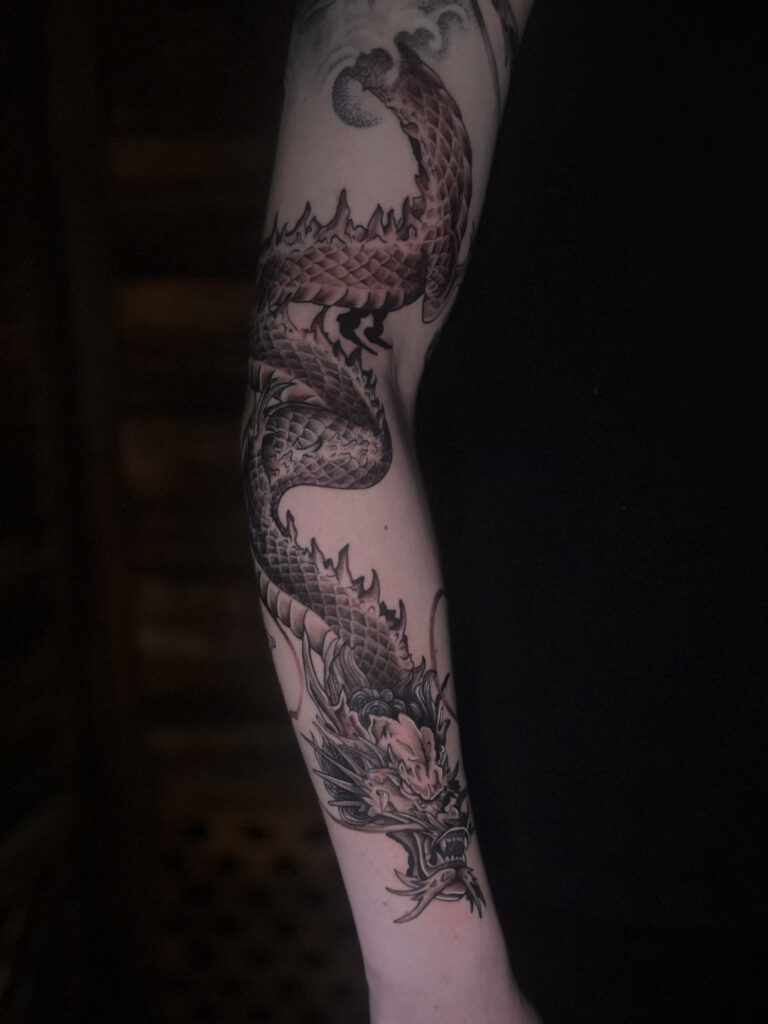
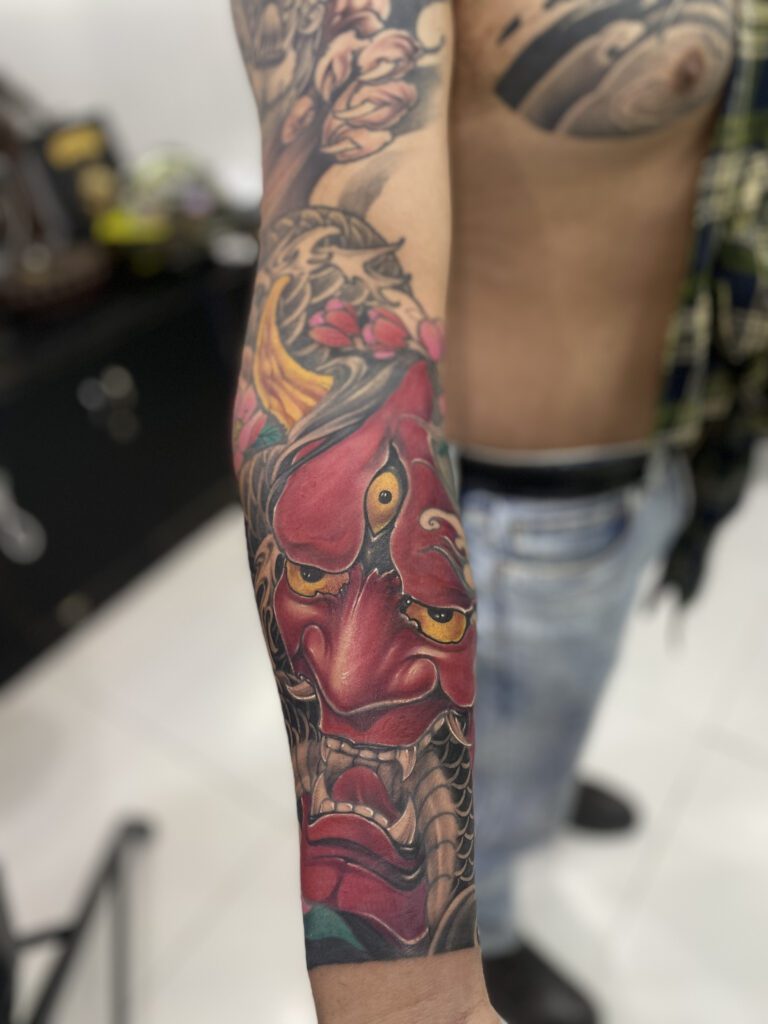
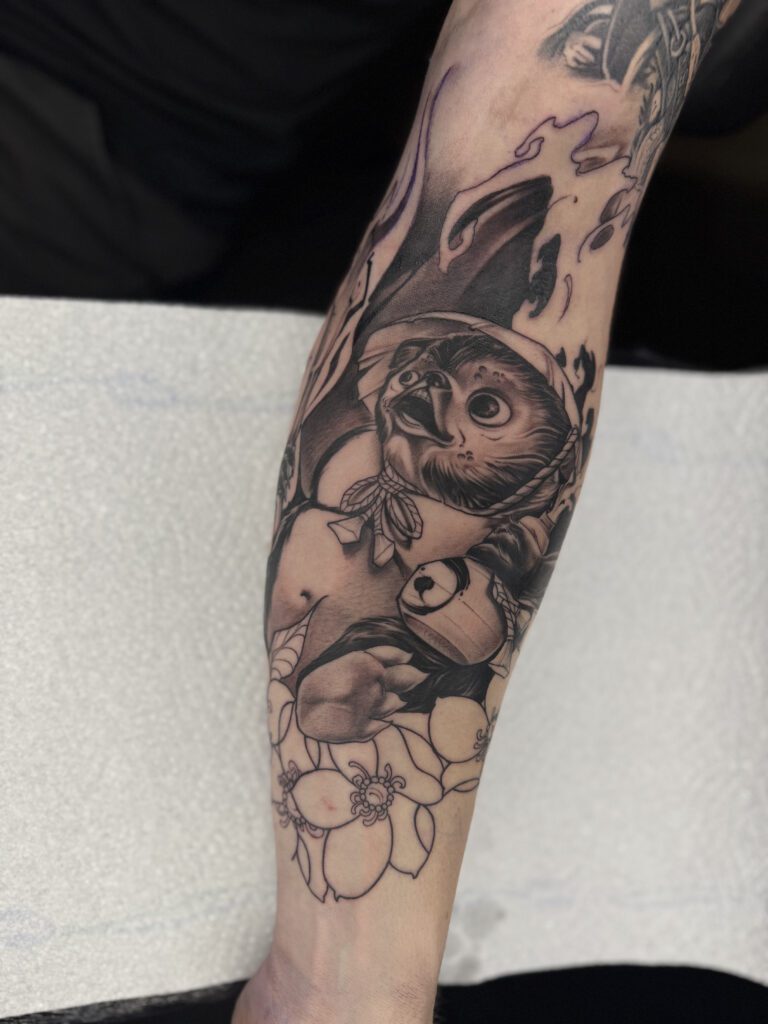
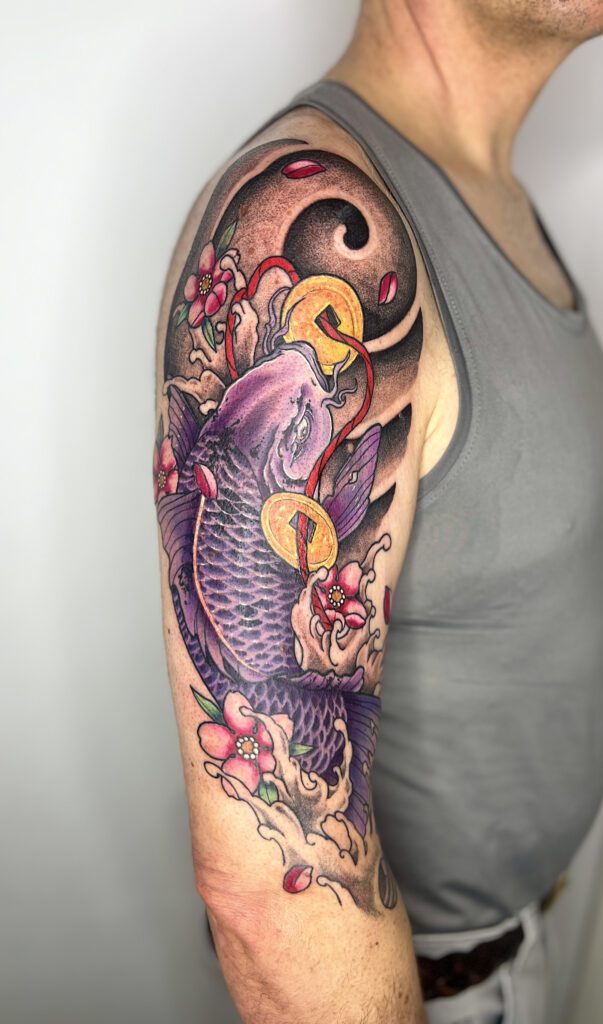
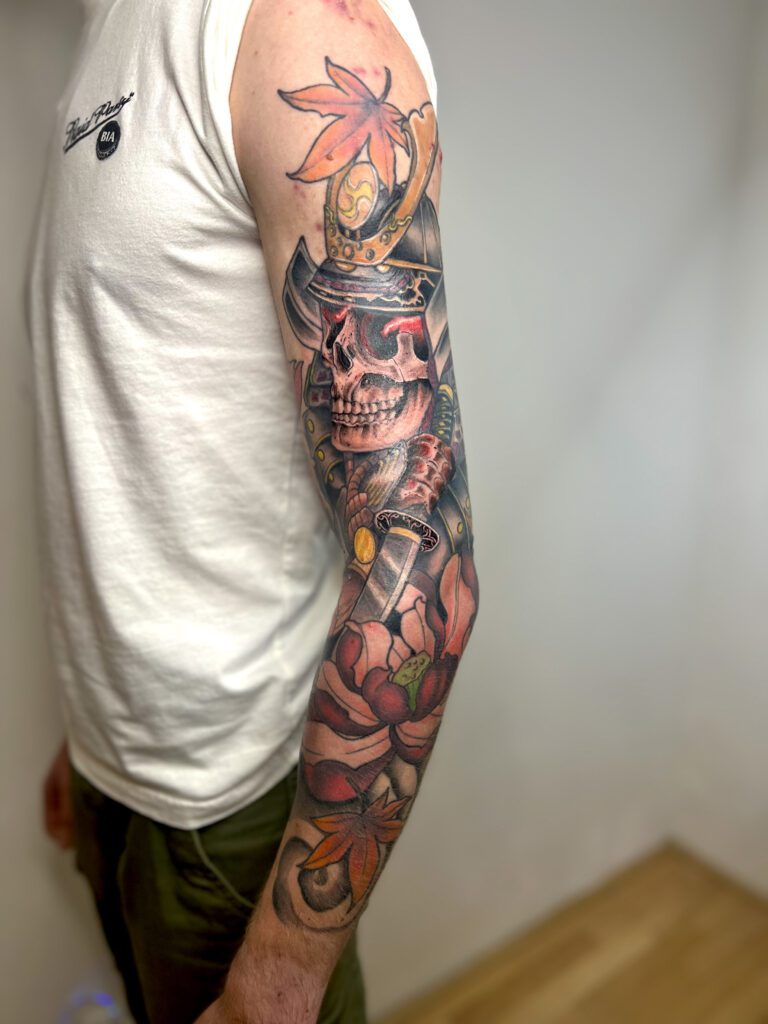
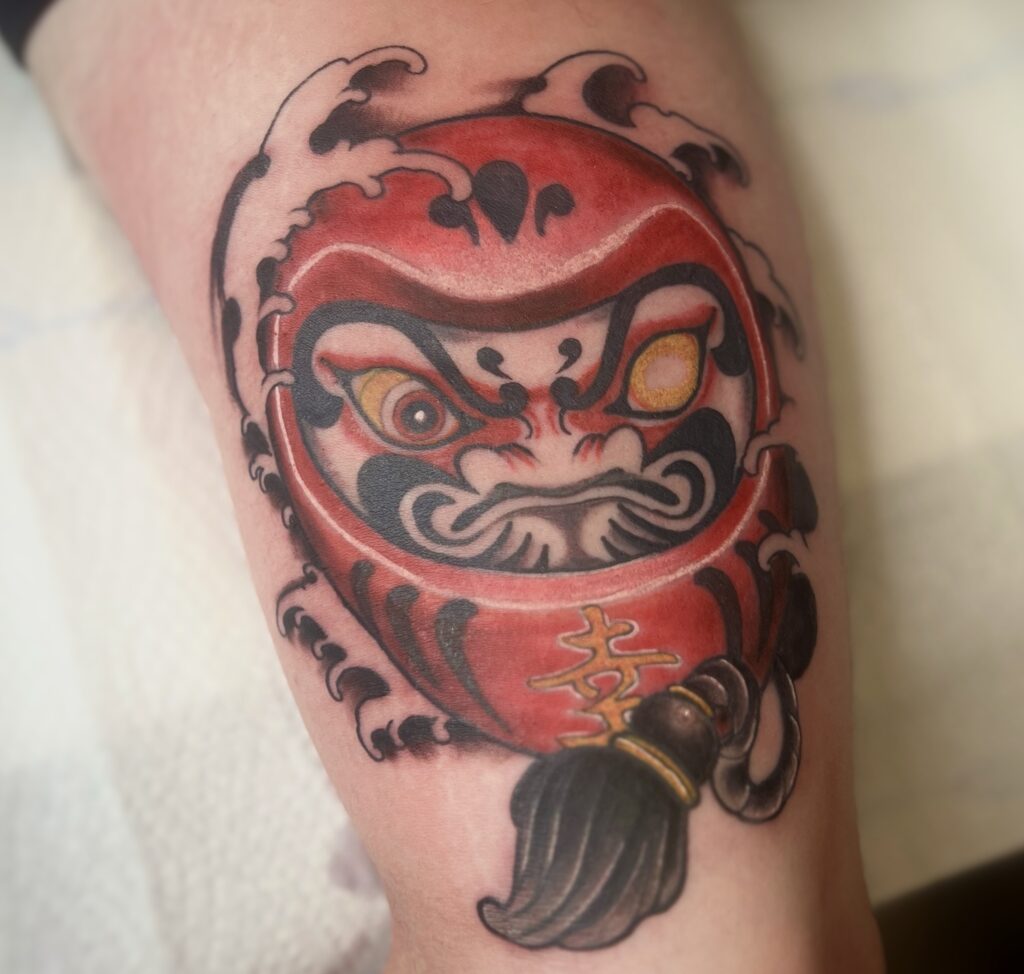
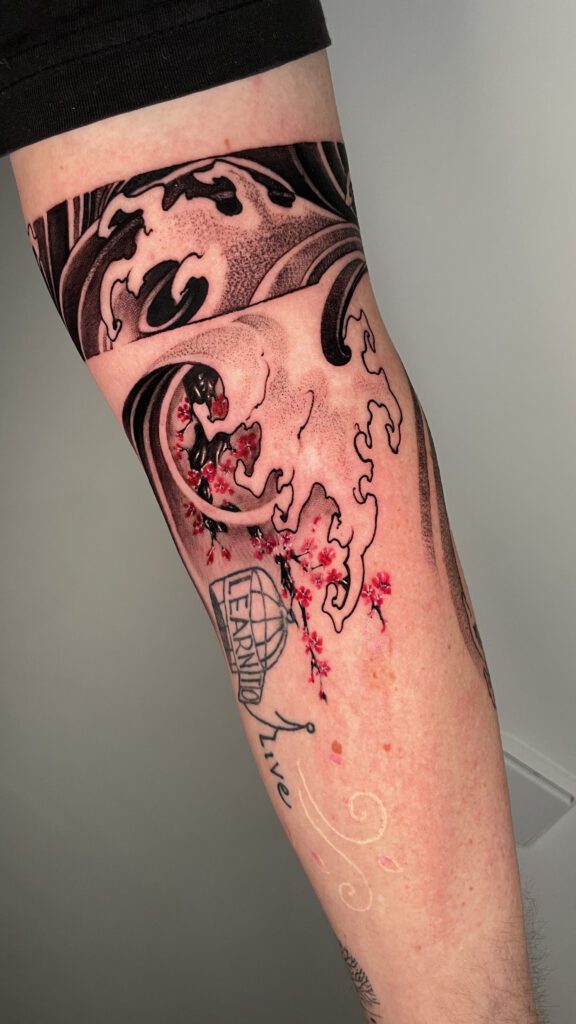
Common motifs in Japanese tattoos include dragons, koi fish, tigers, samurai, cherry blossoms, and waves. Each symbol has a specific meaning. Dragons often represent wisdom and strength, koi fish symbolize perseverance and courage, and cherry blossoms reflect beauty and the temporary nature of life. The designs are usually connected through flowing backgrounds made of clouds, water, or wind patterns.
Japanese tattoos are recognized for their bold outlines, balanced compositions, and vibrant colors such as red, black, green, and blue. The style combines movement and harmony, allowing the tattoo to fit naturally with the shape of the body.
Beyond aesthetics, Japanese tattoos often tell stories inspired by mythology, folklore, or spirituality. They represent personal values, protection, bravery, or life experiences. Today, Japanese tattooing remains highly influential around the world and continues to inspire both traditional and modern tattoo artists.





Portfolio